article


Kidney tonic medicinal plants, stone crusher, anti-inflammatory, anti-recurrence and…
Medicinal herbs for diabetes and blood lipid reduction (cholesterol and triglycerides): Collection and research (Engineer Javidi) Diabetes: Food: Fenugreek seeds, (green pumpkin + yogurt), dried
Lung-strengthening, chest-softening, and cough-fighting herbs
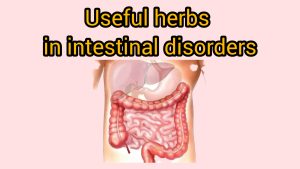
Famous herbs for various intestinal problems
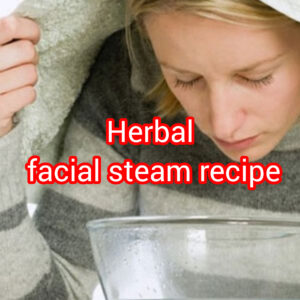
If your skin is dry and normal, use this method to reduce blemishes and acne and increase skin freshness.
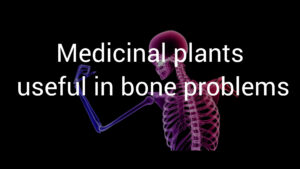
Bone-strengthening and bone-building herbs and bone pain relieversCollection and research (Engineer Javidi: Phytotherapist and herbal analyzer)Relief of bone pain and muscle pain(Phoenix + Baharnaranj +
Glycosides:Compounds with two arms, one part of the glyconic part and the other part of the aglycone (non-sugar), the aglycone part can be phenolic, alcoholic, sulphide -glycosides, hydroxyls of a sugar to form (ether with other alcohols and ester with other acids) they are proper.
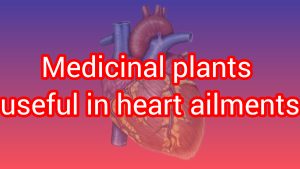
Cardiac glycosides: Glycosidic compounds with lactone ring in beta position, carbon number 17 are available.
– The sugar sequence using the hydroxyl group of the steroid aglycone at carbon 3 is in the form of a glycoside. (Aglycone has a 4-ring steroid with 3 and 4 hydroxyl groups).
These compounds are very toxic and are only used in the pharmaceutical industry for heart ailments.

Phytosterol : Steroids have the same molecular structure as cholesterol.
– Excessive consumption reduces the absorption of vitamins E and D.
– Daily consumption is 8 grams.
Prevention of colon and breast cancer – – Heart problems – – Obesity – Type 2 diabetes
– Cholesterol-reduction – antihypertensive
Classification of types of fiber in the diet……………………..:
Fibers are divided into two categories, soluble and insoluble.
A combination of more than 6000 different substances, in yellow-red-orange colors, are found in different parts of plants and fruits – Flavus means yellow color in Latin – In chemistry, flavonoids exist in both free and glycosidic forms in nature.
Saponin is derived from the Latin word sapo, which means soap.
Glycosidic compounds with high molecular weight, these molecules have two arms, one arm with a lipophilic aglycone (healing property), of course, this arm is made of triterpenoids or steroids, and the other arm has a hydrophilic sugar. Active, it is activated in water and gives a colloidal solution next to cholesterol
Among the primary metabolites (compounds resulting from the metabolism of living cells) are plants – they are abundant in all parts, especially in the seeds of some plants. It has a chemical structure with a long chain of more than 24 carbons, which is a combination of They are fatty acid and hydrocarbon chains, which have a hydroxyl group on one side and a methyl group on the other side.
Found in more than 20,000 plant and animal structures – consisting of isoprene units with acetate origin, formed under the metabolic pathway of mevalonic acid – they are bitter components of nature.
Tannin is one of the largest group of polyphenols – it has a high molecular weight –
– Taste (gassy-slightly sour) – They are found in nature in glycosidic form – When reacting with water, they get a very mild acid form – Tannin precipitates with protein (tannins have so much phenolic hydroxyl that they form stable crosslinks with proteins) And the same grass links prevent the activity of enzymes with proteins) and this feature is used in leather industry.
It is used in plants (rubber, spruce, pine and oak) – tannins form a precipitate with polysaccharides and some alkaloids (caffeine(.

Polysaccharide or glycone, polymers with high molecular weight, are composed of monosaccharide or oligosaccharide sugar chains with chemical connections.

Flavonoid Isomers that are mostly found in the legume family (Fabaceae) and have phytoestrogenic properties (weak estrogen agonists). They are rarely glycosidic and have an estrogen-like structure, So they bind to estrogen receptors in the body and exhibit estrogenic activity.
Anthocyanin consists of two parts: anthose (plant) and cyanose (blue).
Anthocyanins are flavonoids (vitamin P) with a flavone structure that become anthocyanins when glycosidized. (Glycosidic flavonoids are anthocyanins).
Compounds of 1 to several nitrogen atoms that are connected to at least 2 carbon atoms in the ring ring system.
– They are widely distributed in plants.
– Vitamins and hormones are not alkaloids, but structurally, they are in the form of alkaloids in certain cases.
– Most alkaloids are derived from at least a number of amino acids (as their precursors) and a small number of isoprene units. Various combinations such as
aldehydes, hydroperoxides, organic nitrates and epoxies are converted), have been derived.